
Aquaculture Welfare Standards Initiative
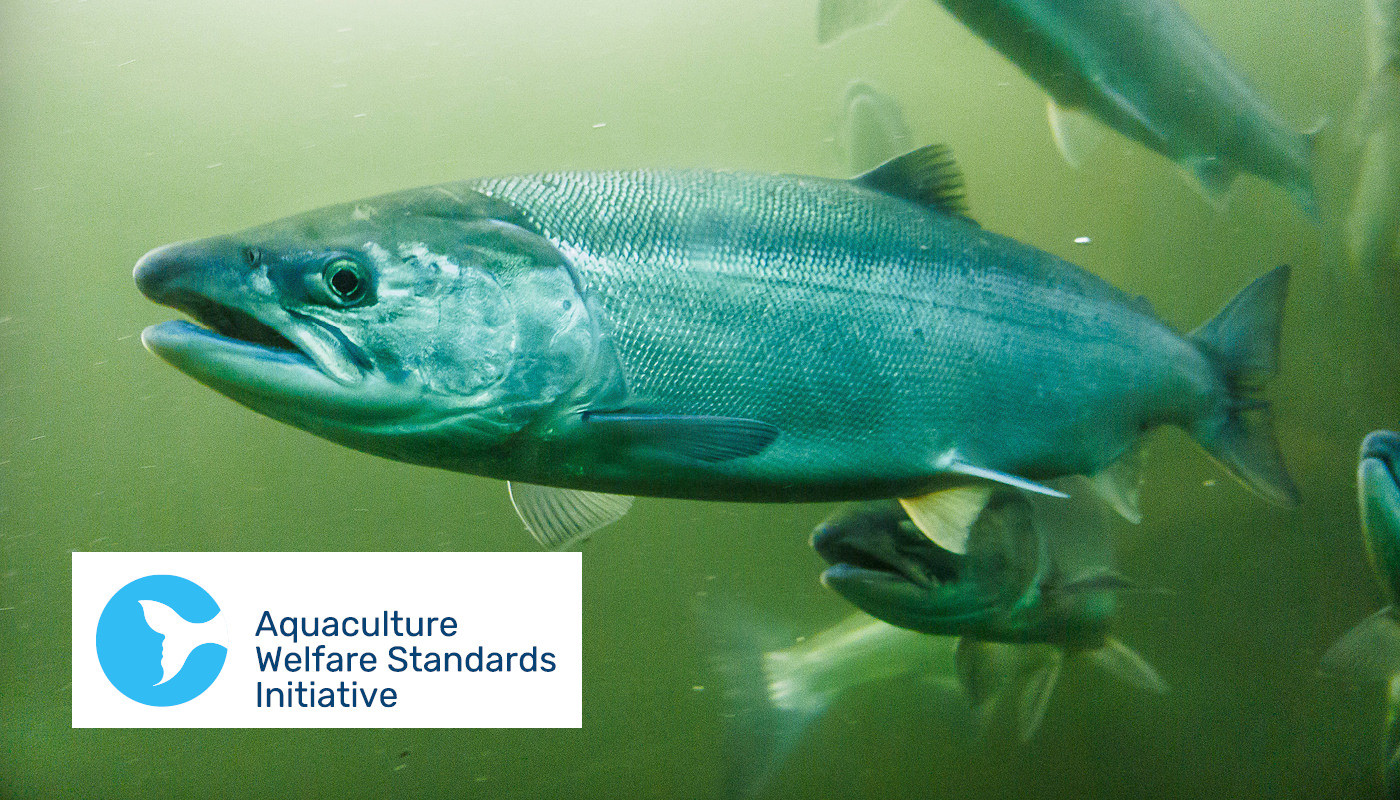
Since 2016, we have been actively working to reduce the suffering of fishes and other animals in aquaculture. To this end, we have launched the Aquaculture Welfare Standards Initiative (AWSI). In this initiative, industry, science, authorities, and certifiers are working to raise standards in Germany and worldwide. Representatives from industry include the major supermarket chains, which are known to have a significant influence on animal welfare.
Basic recommendations for animal welfare in aquaculture
The AWSI has issued recommendations on the key areas where improvements are particularly important in order to raise animal welfare standards on the basis of scientific findings:
-
Contrary to intuitive expectations, water quality is perhaps the most important animal welfare criterion. The specific requirements depend on the species. The aim is to maintain various water quality parameters, such as temperature, oxygen content, carbon dioxide, ammonia, and nitrite, within ranges that do not cause harmful stress.
-
»Handling of the animals refers in particular to the fact that animals should be lifted out of the water as rarely as possible, as this causes great stress (evolutionarily, being taken out of the water usually means being caught by a predator).
-
When feeding, it is important that the fish receive all the nutrients they need and that the food is administered in such a way that it causes as little stress or fighting as possible. The AWSI welcomes reducing the proportion of animal components in the feed, as long as all important nutrients are still covered.
-
Transportation should be kept to a minimum or avoided altogether if possible. When transportation is necessary, stress on the animals should be minimized by choosing suitable transport containers, maintaining water quality, etc.
-
Globally, most animals from aquaculture are slaughtered without any stunning, which causes enormous suffering. The AWSI is working to ensure that in future these animals are only slaughtered after effective anesthesia.
Following words with actions
The position paper itself does not alleviate animal suffering, but it is an important basis for further steps. Food retailers and other large-scale buyers prefer to cover the higher animal welfare standards through existing certification systems such as ASC (Aquaculture Stewardship Council) and GGN (Global GAP Number). Both are members of AWSI and have now incorporated its recommendations into their animal welfare requirements, as has Naturland (a German association for organic agriculture).
Next steps
We often receive feedback from supermarkets that they would prefer to source all their goods through one of the three certification options mentioned above. The biggest hurdle at present is the lack of supply. Our next goal is therefore to get more and more producers to meet the higher animal welfare requirements of ASC, GlobalGAP, and Naturland. In the EU and beyond, we want to help raise standards to the German level. After that, it will be important to gradually raise animal welfare standards further.